Native lakehouse SQL engine for local high-performance data work
DeltaForge Platform runs a native SQL engine that reads and writes Delta Lake and Apache Iceberg files on a single machine, delivering a lakehouse on a laptop experience. DeltaForge, a Windows-focused utilities tool from DeltaForge, combines SQL querying, graph analytics, geospatial indexing, and lineage into one process. It targets data engineers and analysts who need data sovereignty and lower operational overhead, especially in environments where running full clusters or JVM-based runtimes is impractical.What the platform does and how it replaces cluster stacks
The platform implements a native SQL engine for Delta Lake and Apache Iceberg formats, removing Spark dependencies and JVM runtimes. It performs SQL operations such as MERGE, time travel, and deletion vectors directly on local storage, and offers graph algorithms and H3 geospatial functions in the same process. That design replaces multi-service lakehouse deployments by consolidating query, graph, and geospatial workloads into a single executable running on a Windows host.
How it affects system resources during local runs
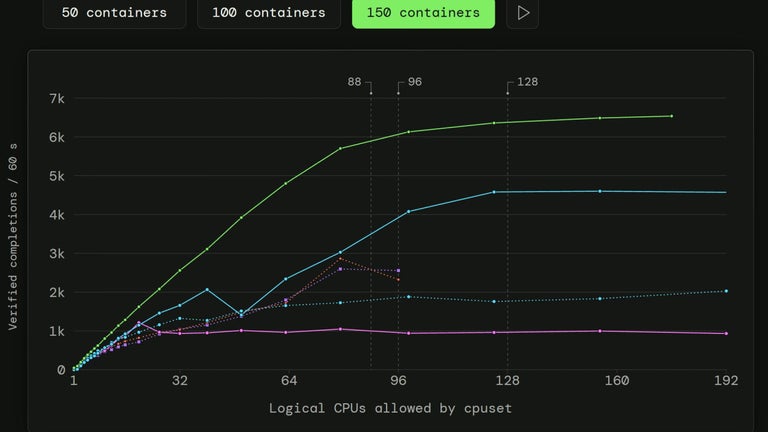
By avoiding Spark and a JVM, the platform reduces the memory and compute overhead associated with cluster-based stacks, which lowers the so-called cluster tax. The native process model is intended for single-instance or self-hosted deployments on desktops, private clouds, or datacenters. That architecture makes resource use dependent on the host hardware, so performance scales with local CPU, disk I/O, and available RAM rather than remote cluster capacity.
Safety, data correctness, and verification mechanisms
Data correctness is addressed with an independent verification layer that runs bi-directional conformance checks against Apache Spark results, providing arithmetic-matching verification. The platform also derives built-in data lineage directly from SQL files, so transformations can be traced back to the SQL that produced them. These behaviors provide auditability for environments where provenance and deterministic results matter.
Operational complexity and who can operate it
The platform installs on Windows via winget, Chocolatey, or an MSI, and is also available as a Docker container and through an Azure marketplace image. That range of deployment options supports both local desktop use and self-hosted enterprise installs. The tool targets engineers and analysts; its consolidation of multiple workloads into a single process reduces distributed-system management, but users should have experience with storage formats and host resource planning to get predictable results.
Practical recommendation for engineers who need a self-hosted lakehouse
DeltaForge Platform suits teams who require local control over Delta and Iceberg data and want to avoid maintaining clusters. Expect performance tied to your machine: test large workloads on representative hardware before moving to production. Recommended. Use a separate test dataset and run the verification checks against a Spark baseline before switching critical pipelines to the platform.